
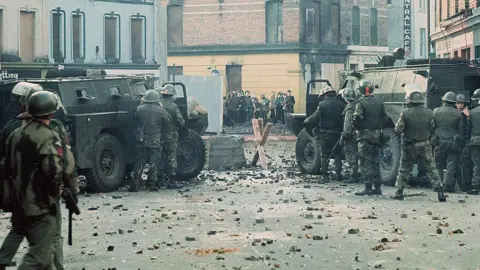
January 30th, 1972 stands as arguably the deadliest – and consequential – days during three decades of violence in this area.
Throughout the area where events unfolded – the images of that fateful day are displayed on the structures and embedded in collective memory.
A civil rights march was organized on a chilly yet clear period in Londonderry.
The protest was opposing the system of detention without trial – holding suspects without trial – which had been put in place in response to an extended period of conflict.
Soldiers from the specialized division killed thirteen individuals in the district – which was, and continues to be, a strongly Irish nationalist area.
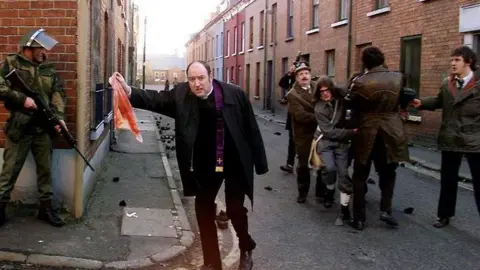
A particular photograph became particularly prominent.
Images showed a clergyman, Fr Edward Daly, using a stained with blood white handkerchief as he tried to defend a crowd transporting a teenager, the fatally wounded individual, who had been killed.
Journalists recorded much footage on the day.
Historical records includes Fr Daly telling a reporter that troops "gave the impression they would fire in all directions" and he was "totally convinced" that there was no provocation for the shooting.
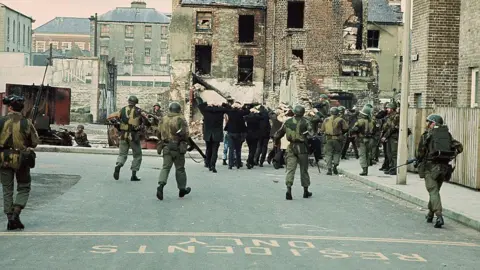
This account of events wasn't accepted by the first inquiry.
The initial inquiry determined the Army had been fired upon initially.
Throughout the negotiation period, the ruling party commissioned another inquiry, after campaigning by surviving kin, who said Widgery had been a cover-up.
That year, the findings by the inquiry said that overall, the military personnel had initiated shooting and that zero among the individuals had presented danger.
The contemporary Prime Minister, the leader, apologised in the Parliament – stating fatalities were "improper and unacceptable."
The police began to investigate the incident.
One former paratrooper, identified as the defendant, was charged for murder.
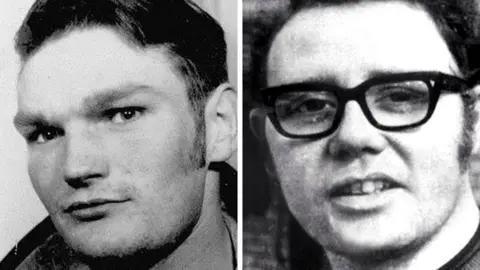
He was charged over the killings of the first individual, in his twenties, and 26-year-old another victim.
The accused was additionally charged of seeking to harm several people, Joseph Friel, further individuals, Michael Quinn, and an unnamed civilian.
Remains a court ruling preserving the soldier's anonymity, which his attorneys have argued is required because he is at risk of attack.
He stated to the investigation that he had solely shot at persons who were possessing firearms.
This assertion was rejected in the concluding document.
Material from the examination could not be used immediately as testimony in the legal proceedings.
During the trial, the accused was shielded from sight using a privacy screen.
He spoke for the opening instance in the hearing at a proceeding in late 2024, to reply "not responsible" when the charges were presented.
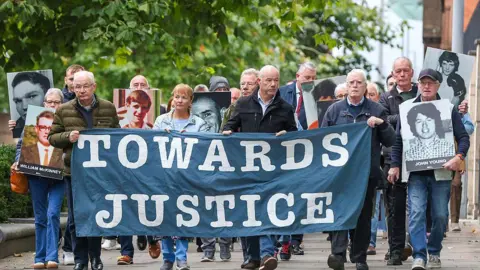
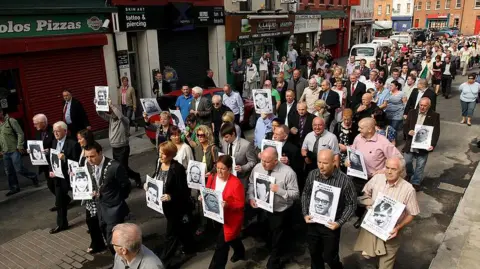
Relatives of the deceased on the incident travelled from Derry to the judicial building daily of the proceedings.
A family member, whose relative was fatally wounded, said they understood that attending the case would be difficult.
"I remember everything in my memory," he said, as we examined the primary sites discussed in the proceedings – from Rossville Street, where Michael was killed, to the adjoining the courtyard, where one victim and another victim were fatally wounded.
"It even takes me back to my location that day.
"I participated in moving the victim and put him in the ambulance.
"I relived the entire event during the testimony.
"Despite experiencing all that – it's still meaningful for me."